


Asana practice in the yogic tradition
In yoga practice, asanas hold an especially important place. With their help we strengthen the body, increase its flexibility and find physical harmony. Practised regularly, asanas help to gather vital energy. The body thus becomes a firm foundation that helps to nurture spiritual growth, to find inner stability and to move towards deeper self-knowledge.
Asana practice is not mechanical physical exercise, it is a path to a deeper connection with oneself.
Asanas are an inseparable part of yoga practice, and their purpose is to help reach physical, mental and spiritual harmony. Yet asanas are only one part of the path of yoga and the third of the eight stages of yoga practice, which must be practised together with the other stages of yoga.
What is asana practice?
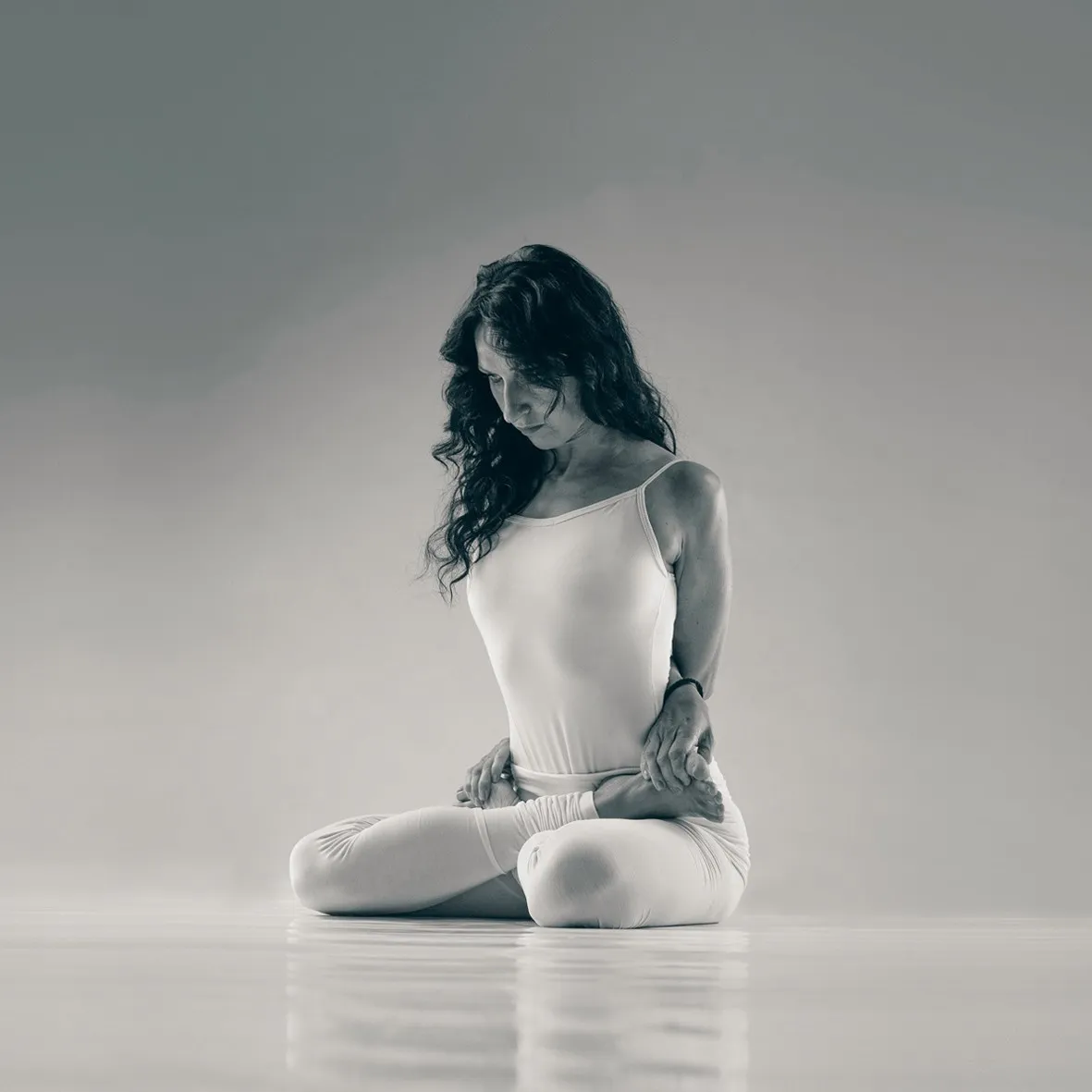
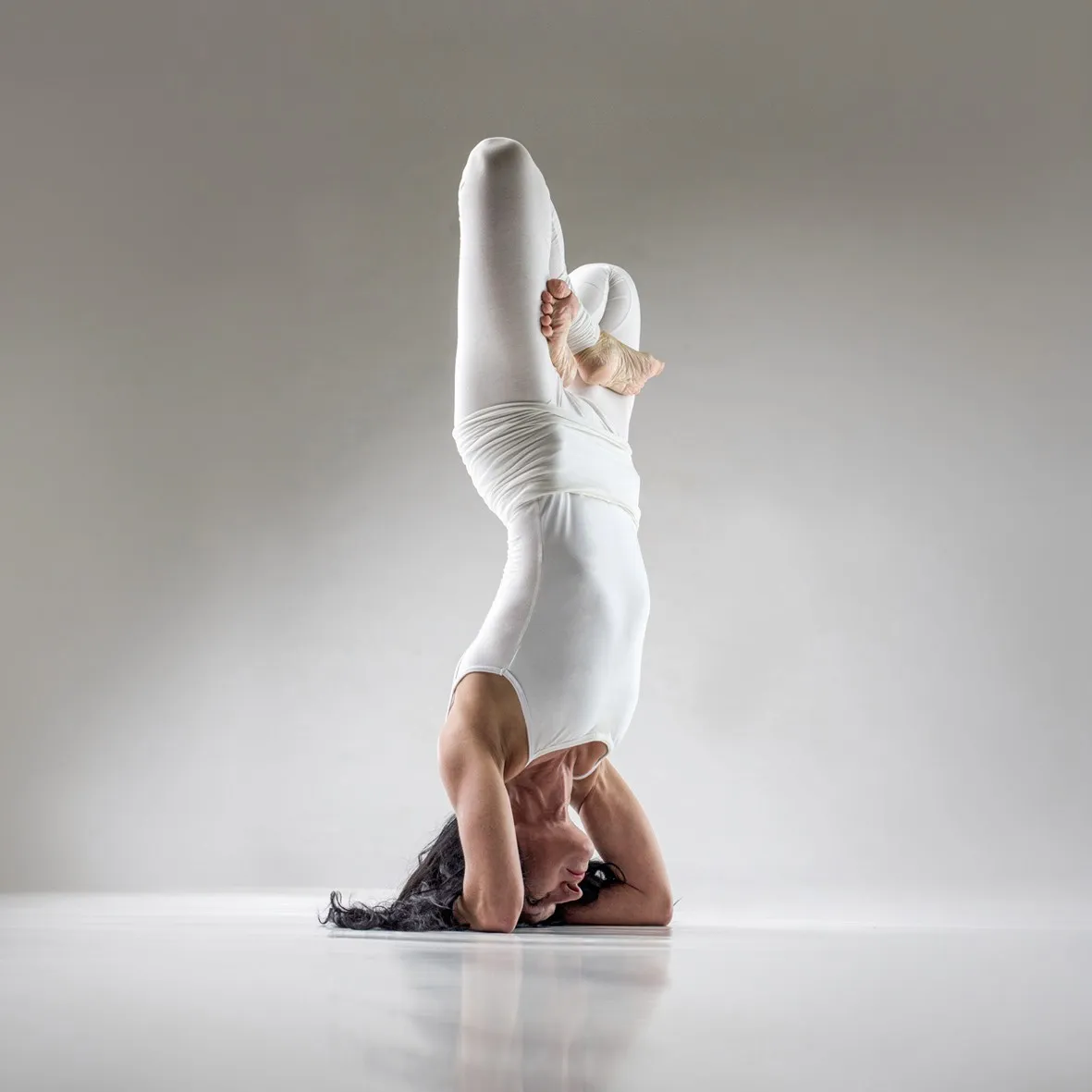
In the yogic tradition, asana (āsana) means a seated position or a posture of the body. Asana practice is the performing of physical postures of the body, meant to maintain physical harmony. The practice strengthens the body, improves its flexibility and helps to prepare for meditation.
The classical yogic texts first described asana practice as positions that help one sit in meditation for a long time without discomfort. Over time, however, asana practice expanded and became a system of postures meant not only for sitting in meditation, but for preparing the whole body and mind for spiritual practices. Meditation requires a stable and comfortable posture, as well as a calm and focused mind. Asana practice improves physical health, helps to remove tension from the body, to strengthen it, and to balance and calm the nervous system, which is why this practice is essential in preparing for meditation. When the body is strong and relaxed and the mind is calm, it is easier to settle into meditation, to hold inner silence for longer and to experience a deeper spiritual state. Asana practice is thus an important foundation of meditation, allowing body and mind to prepare for deeper self-knowledge.
Aims and benefits of asana practice
Asana practice helps to reach an all-round harmony: it gives physical health and mental balance, and opens the way to spiritual growth.
Physical health
It strengthens the body, increases flexibility, improves posture and helps to keep the body healthy, which matters for further yoga practices and for meditation.
Activating the flow of energy
It releases energy blocks, encourages the free flow of prana, and helps to keep vitality and emotional balance.
Preparation for meditation
Attention is then no longer distracted by physical discomfort.
Mental and emotional balance
It helps to reduce stress and anxiety. Focused and conscious asana practice trains attention, improves concentration and fosters awareness.
Self-knowledge and self-control
Practising asanas, the yogi cultivates self-control, discipline and conscious presence here and now.
Mai Ram Yoga asana practice
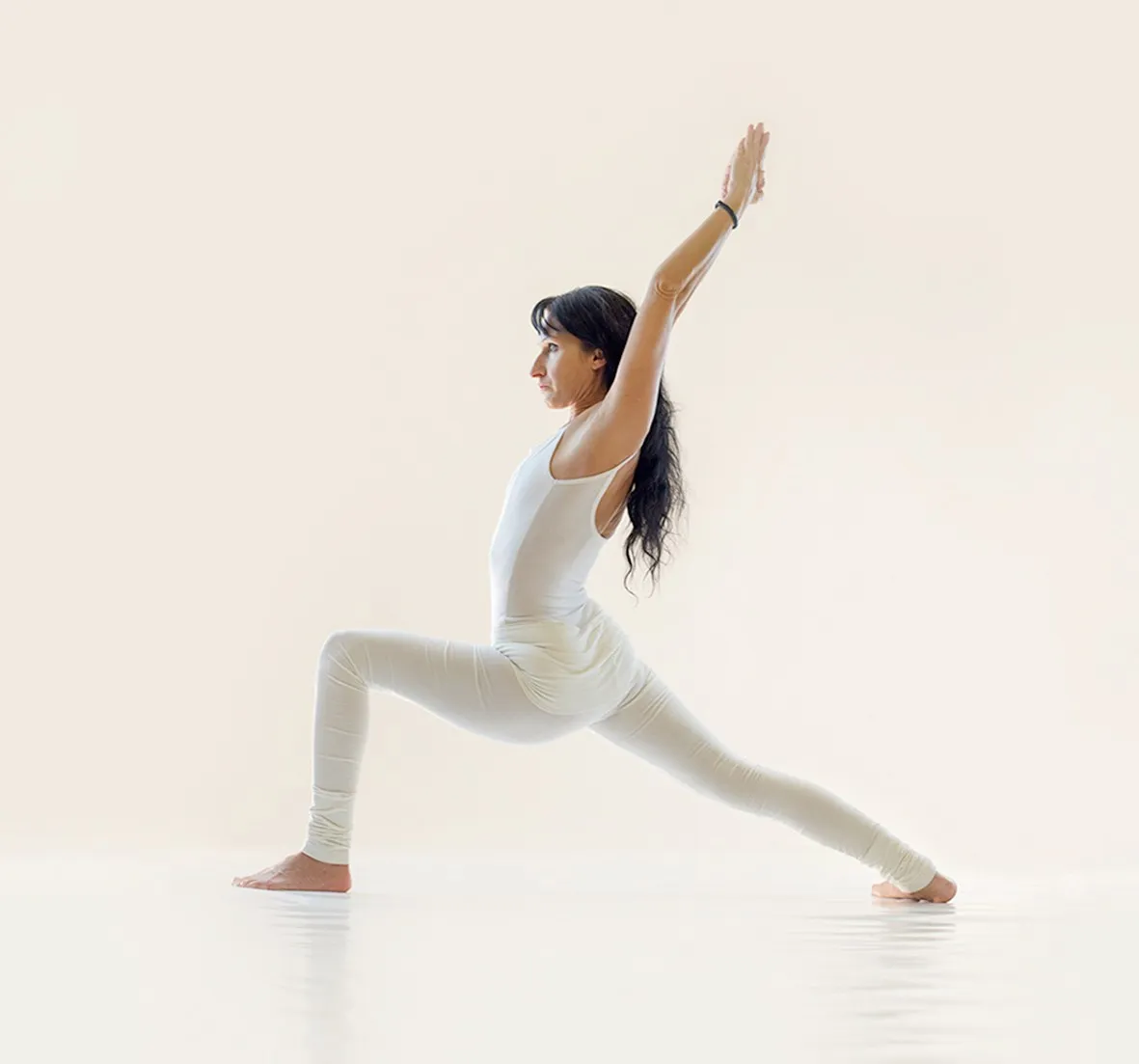
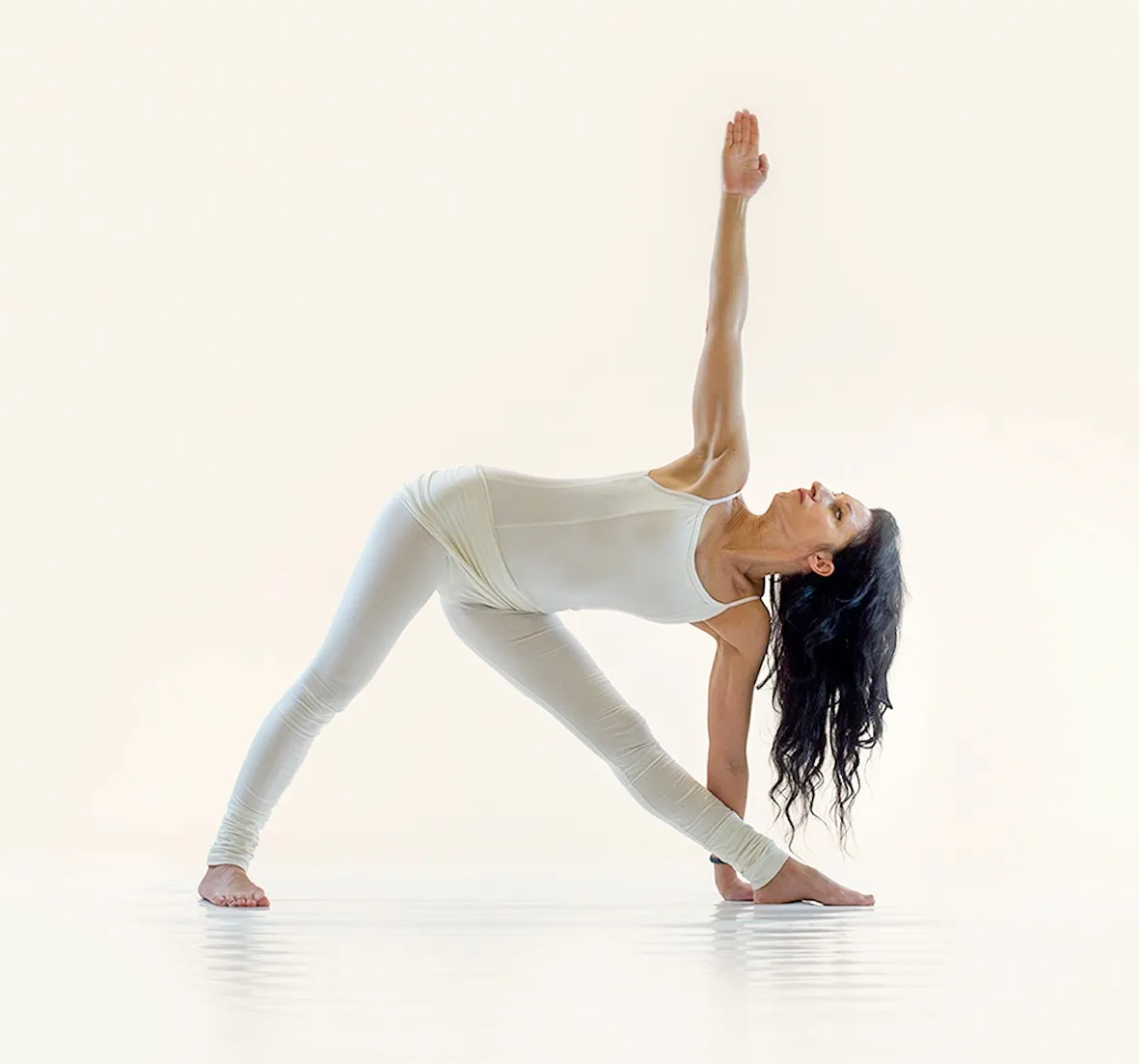
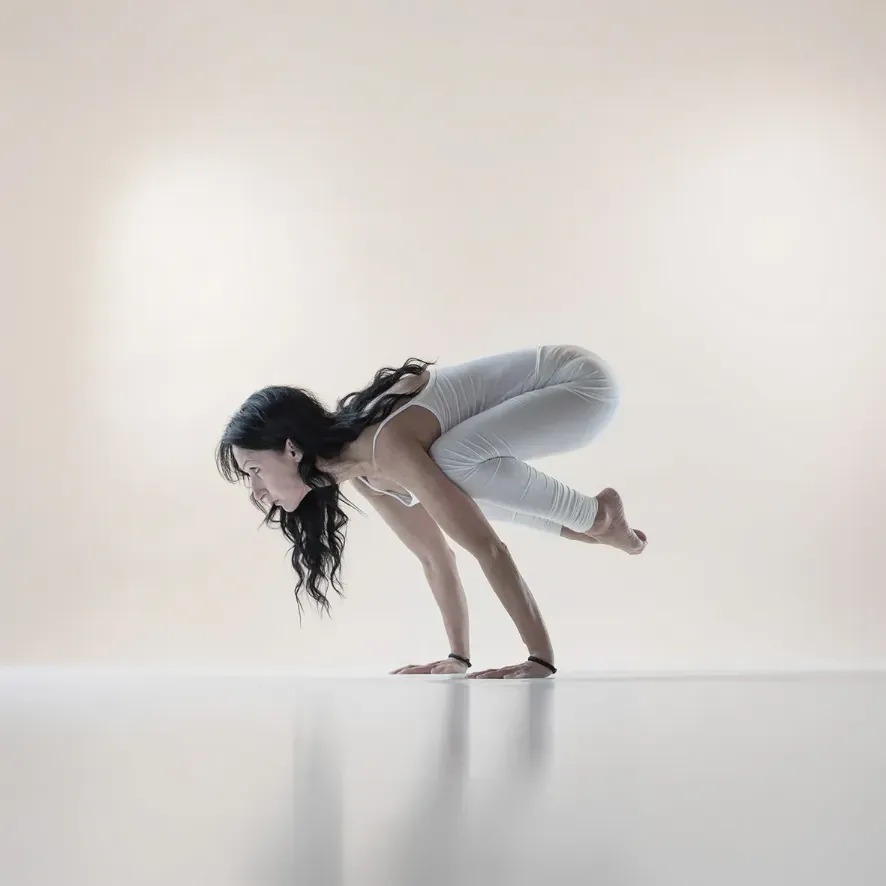
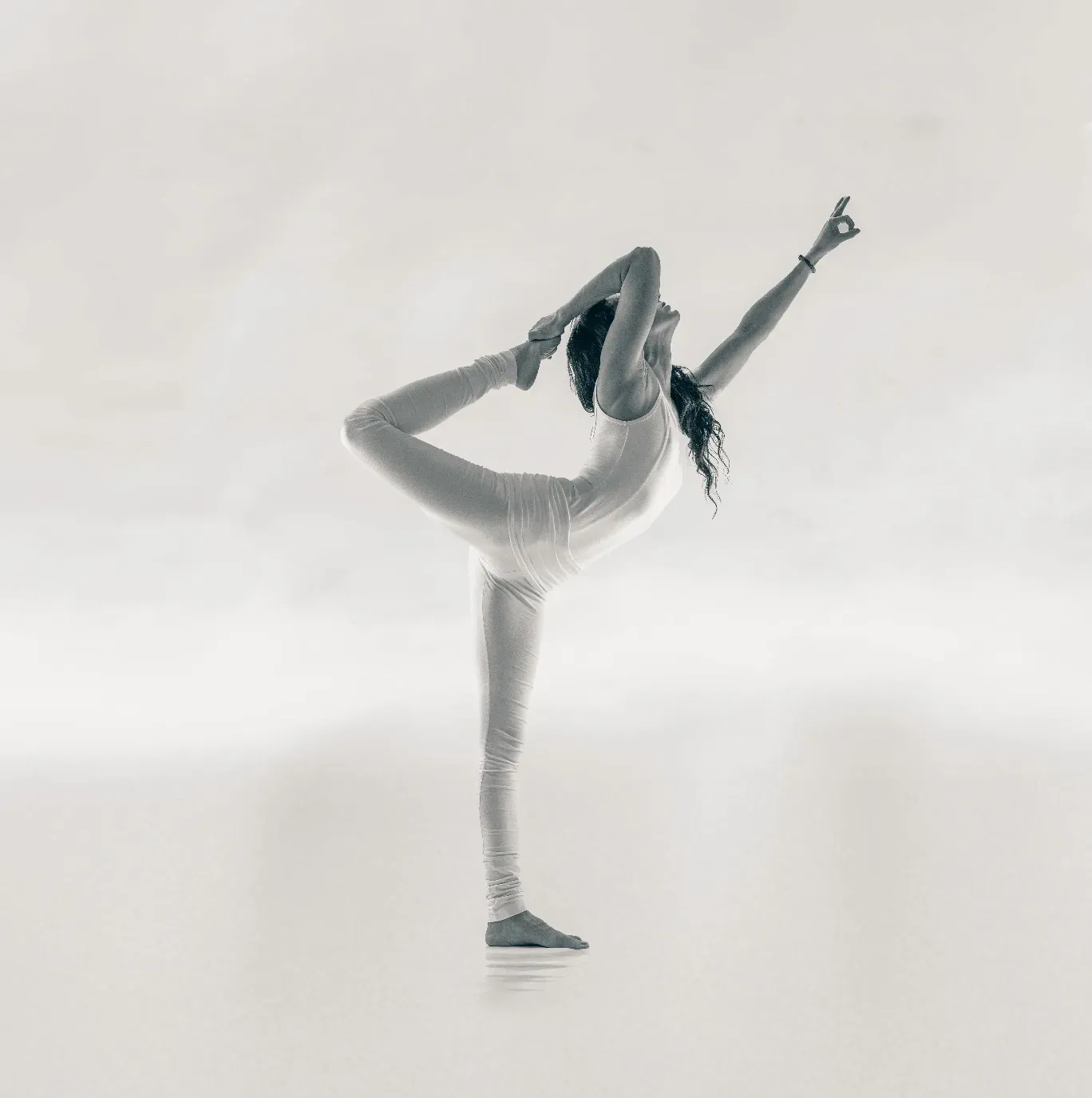
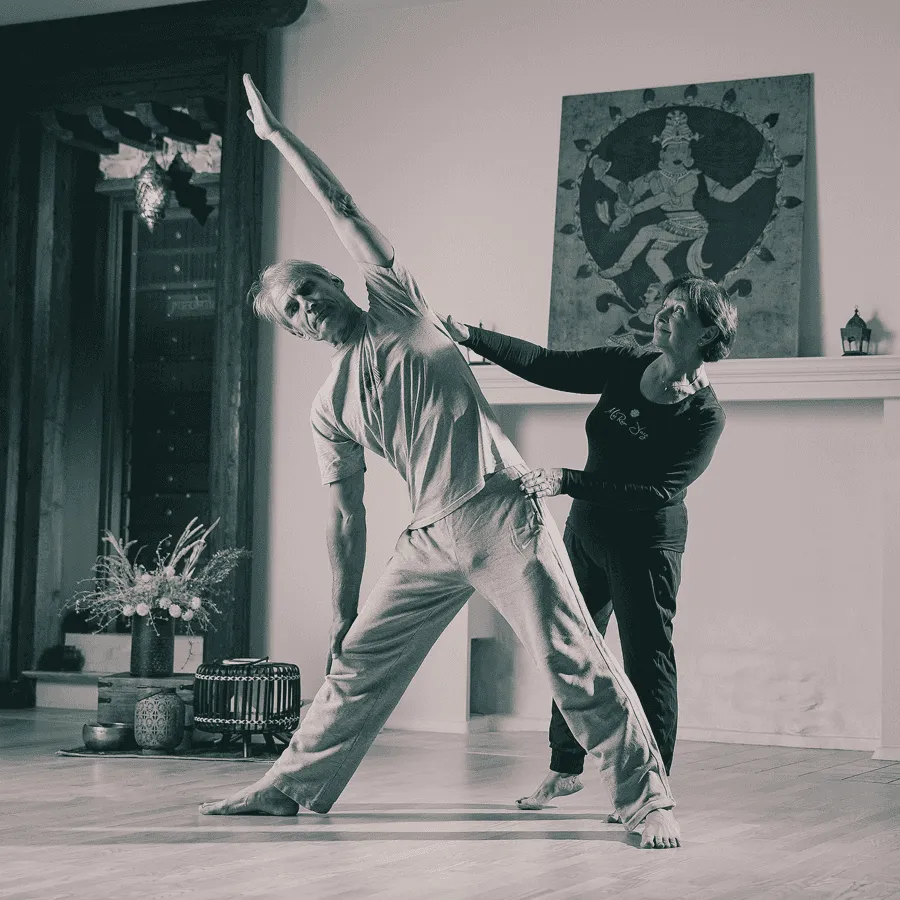
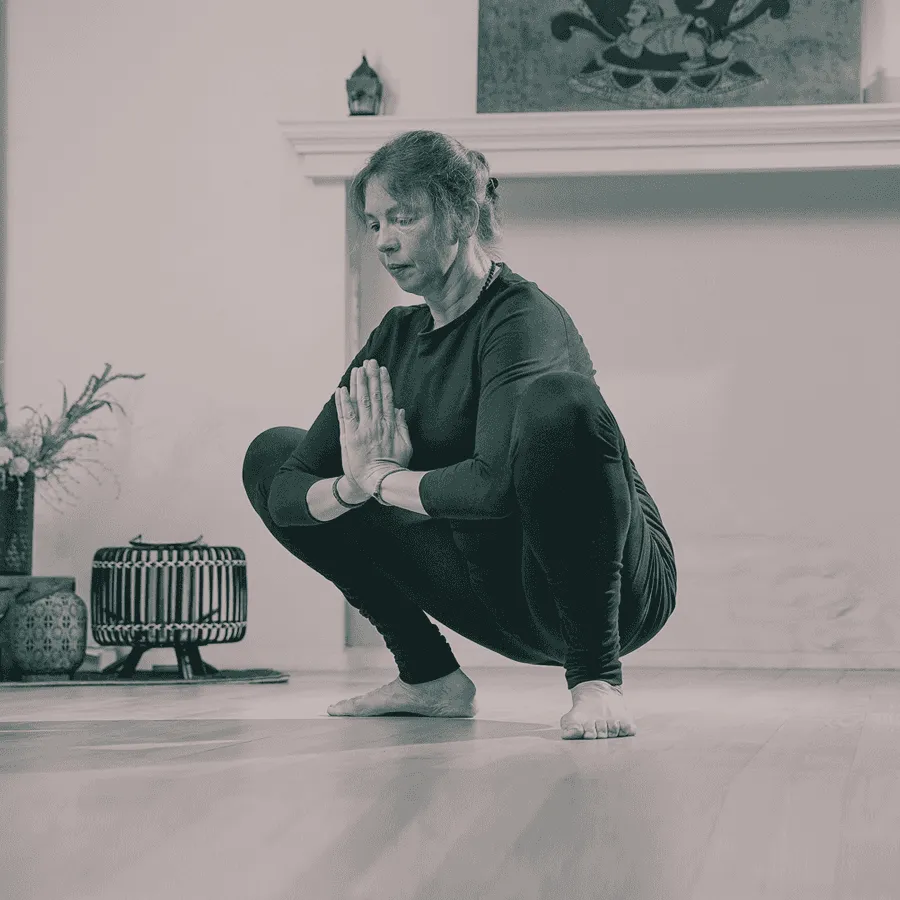
Mai Ram Yoga asana practice is a system of yoga techniques created by Guru Mai Ram and called krama vinyasa: a repeatable sequence of postures joined in a set order, in which the yoga postures and the breath are combined into a continuous flow, passing smoothly from one posture to the next. At certain moments, however, the flow stops and an asana is held for a long time. This helps to maintain inner harmony, calm the mind, develop attentiveness, remove various tensions and create a deep inner connection between the body, the mind and one's inner essence.
Levels of Mai Ram Yoga asana practice
Mai Ram Yoga offers asana and pranayama practice at various levels, adapted to the different needs of practitioners, from beginners to the advanced. Each level helps to deepen yoga practice, to strengthen body and mind and to cultivate awareness.
MRY Intro
A sequence of asanas and pranayama meant for everyone who wants to get to know the MRY school and begin their own asana practice. The purpose of the Intro practice is to learn an individual asana and pranayama practice, to feel its benefit and to bring it into one's daily life.
MRY Open
A practice of five lessons, open to everyone. Yoga Open is a beginner-level sequence of postures; once you have mastered it, you can move on to the Basic level practice.
MRY Basic
The core practice of fifteen lessons, covering intermediate-level asanas and pranayama. It helps to release tension, cultivate stability and concentration, get to know one's own body better, learn to relax and transform in a positive way.
MRY Advanced
An intensive, advanced-level asana and pranayama practice, meant for those who practise regularly and have mastered the Advanced I practice.
MRY Advanced II
MRY Master
An advanced-level practice meant for those who regularly practise Advanced I and II.
MRY Basic Therapy
An asana and pranayama practice made up of fifteen lessons. It is adapted for people with various health problems.
MRY for pregnant women
Pregnancy yoga: a system of five lessons made up of asana and pranayama practices meant for expectant mothers. The aim of the practices is to help the mother-to-be stay healthy, prepare for childbirth, find inner calm and remain in harmony with her surroundings and with her baby.
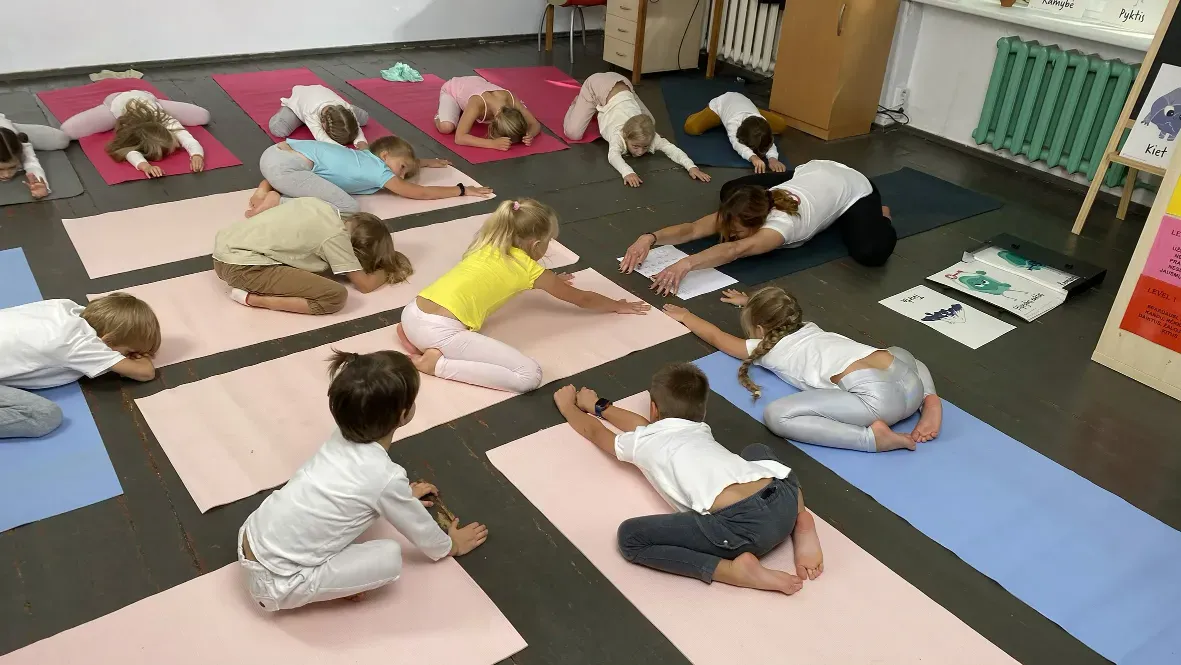
MRY Kids
Asana practice adapted especially for children. It helps children build self-discipline and attentiveness, keeps the body healthy and develops their physical and mental abilities.
Mai Ram Yoga asana practice online
How to practise with us remotely is described on the Online page.